Architectural style · c. 1780–1830
Federal (Adam)
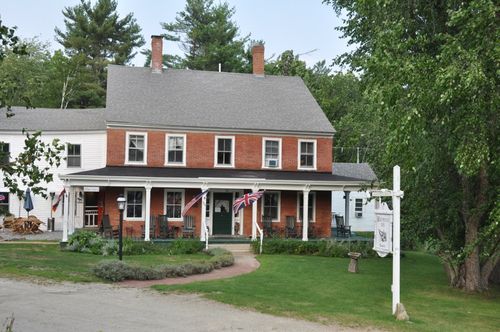
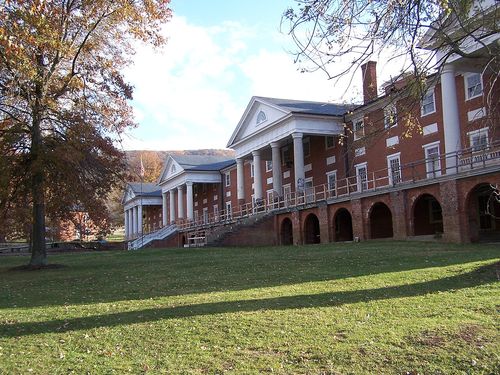
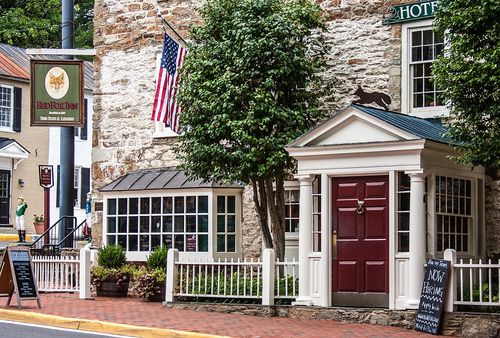
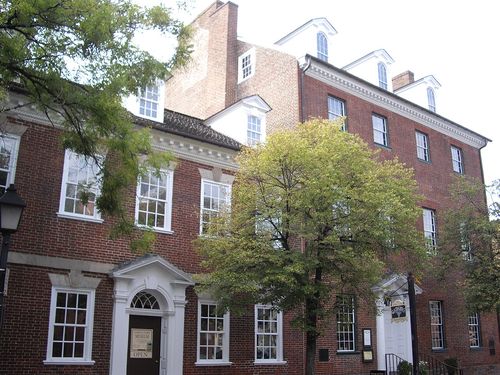
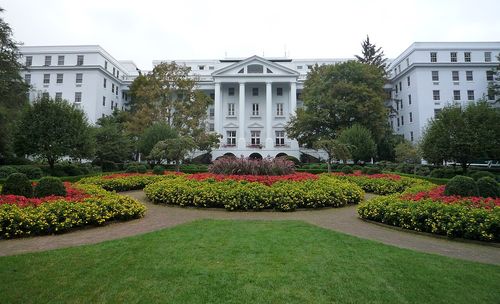
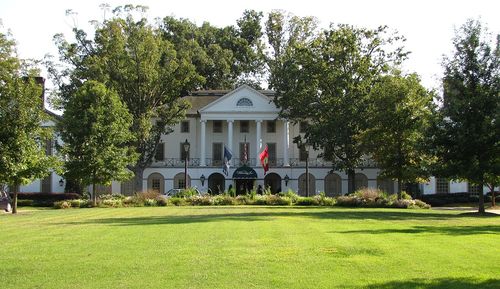
The Georgian box made lighter and more delicate after independence: a fanlight over the door, slender detail and a low roof.
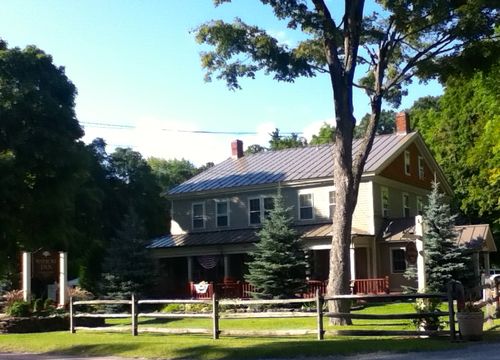
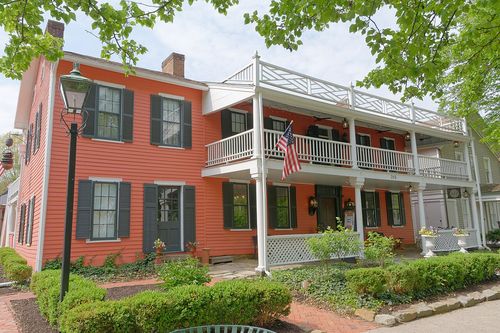
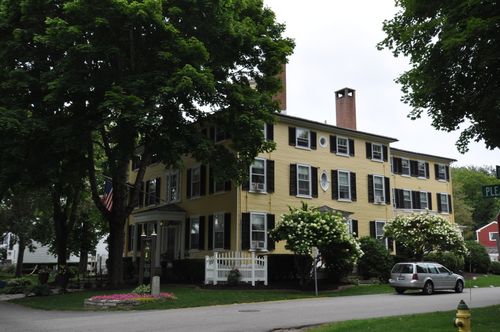
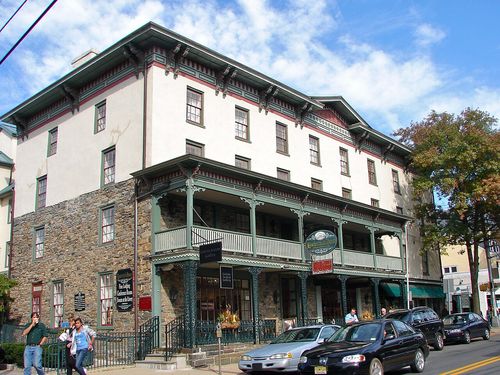
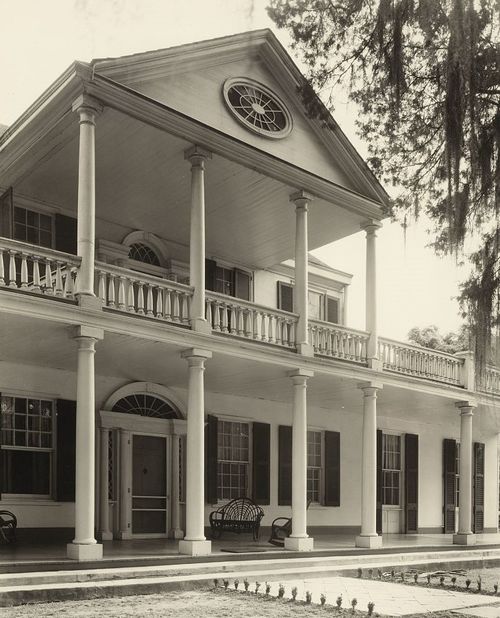
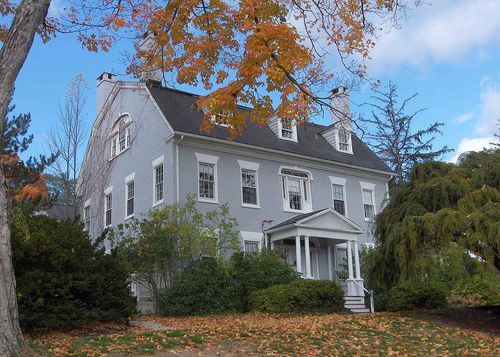
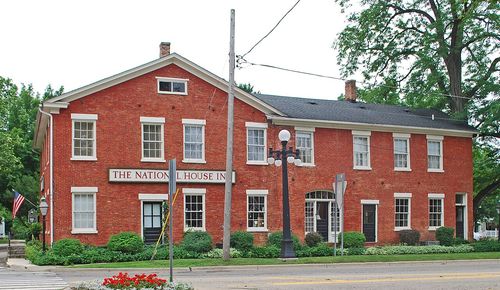
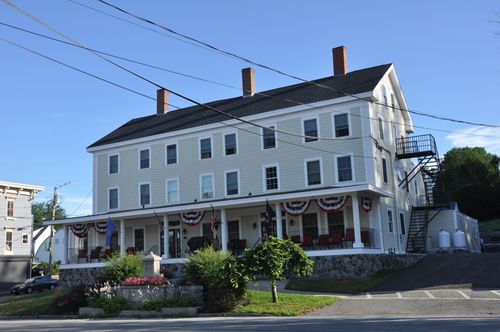
Federal design follows the Scottish architects Robert and James Adam, whose refined Roman ornament reached American builders through books such as Asher Benjamin's handbooks. The overall form stays close to Georgian, but the details thin out and grow more elegant: a semicircular or elliptical fanlight over the front door, narrow sidelights beside it, slimmer window muntins, and decoration in swags, urns and oval motifs.
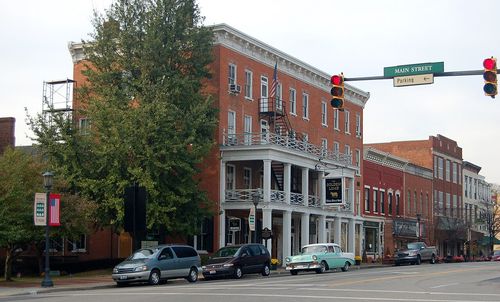
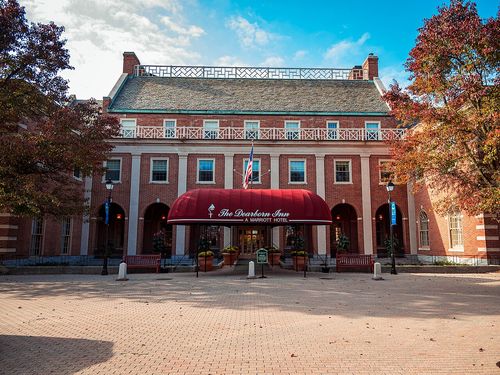
Roofs are often low-pitched or hidden behind a balustrade, so the house reads as a crisp block. Brick Federal taverns and inns line the old turnpikes and stagecoach routes of the young republic, and many of the oldest inns in Ohio, Kentucky and New England are Federal buildings.
Where you'll see it: The original states and the first settled parts of Ohio, Kentucky and Tennessee; coastal towns such as Salem, Portsmouth and Charleston.
How to recognize it
- Fanlight over the front door, often with sidelights
- Low-pitched hipped or side-gabled roof, sometimes behind a balustrade
- Thinner window muntins and taller windows than Georgian
- Delicate classical ornament: swags, urns, ovals
- Flat stone or brick lintels, sometimes with a keystone
- Three- or five-bay symmetrical front