Architectural style · c. 1880–1940
Rustic (Parkitecture)
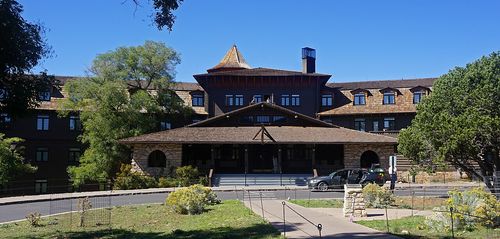
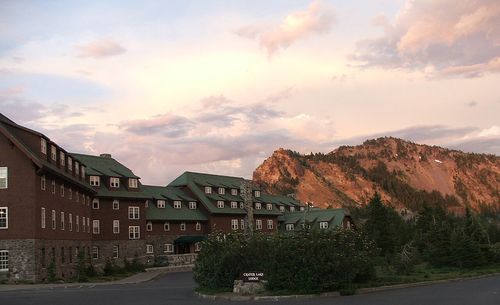
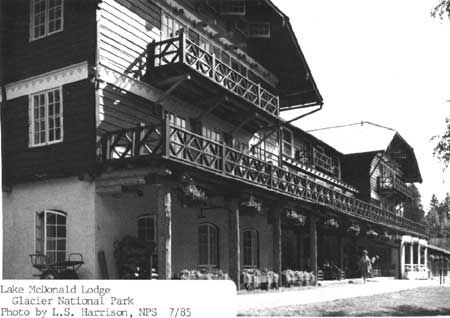
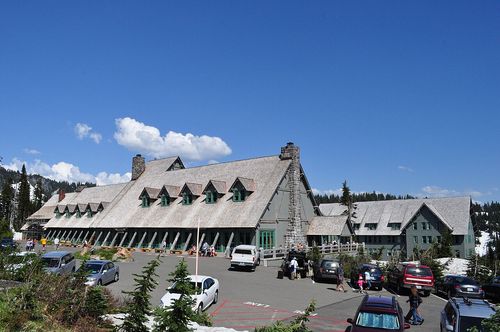
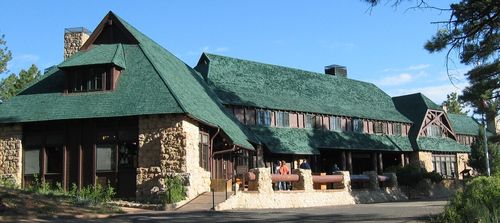
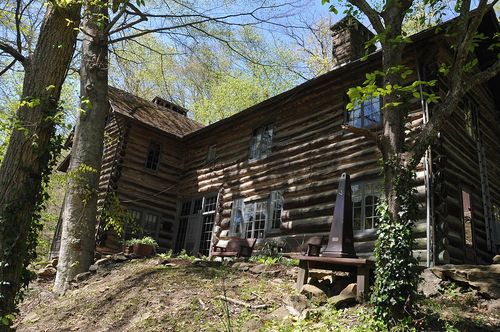
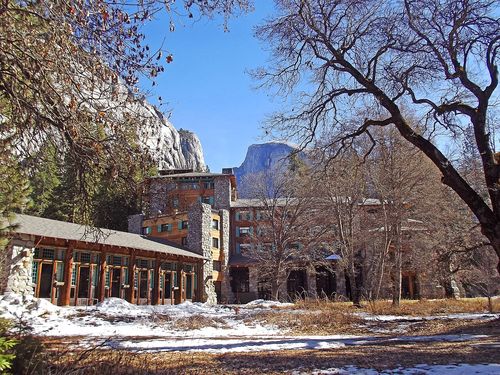
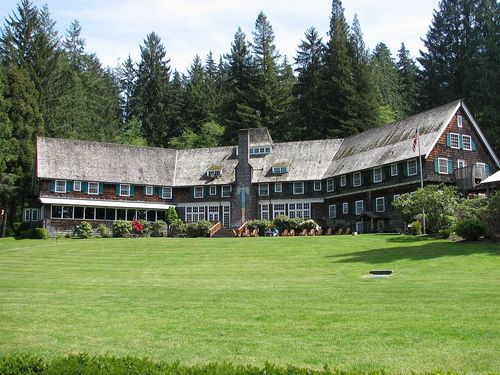
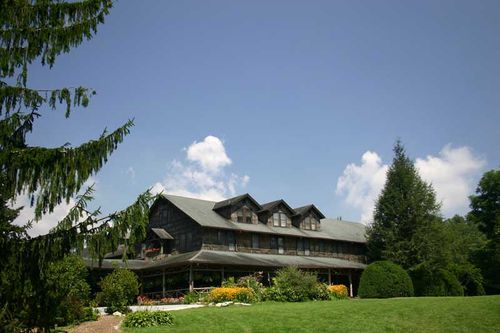
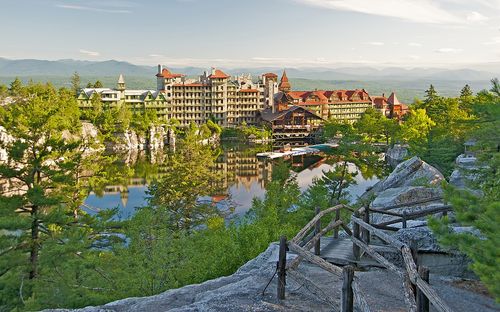
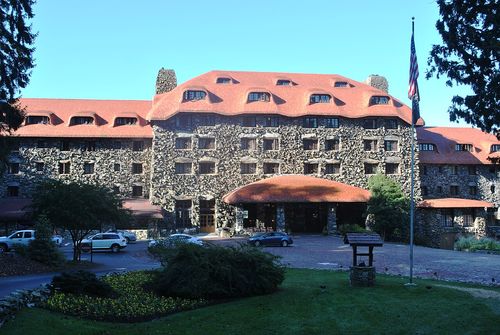
Log and boulder buildings made to look as if they grew from the site: the Adirondack camp and the national-park lodge.
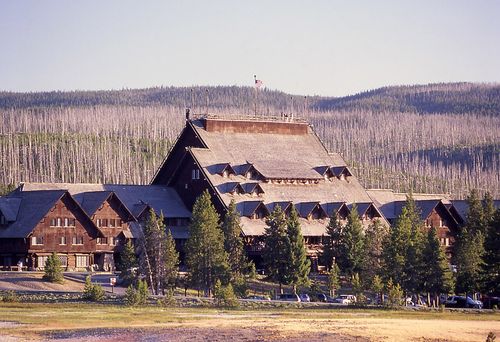
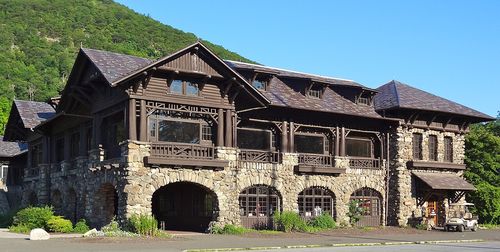
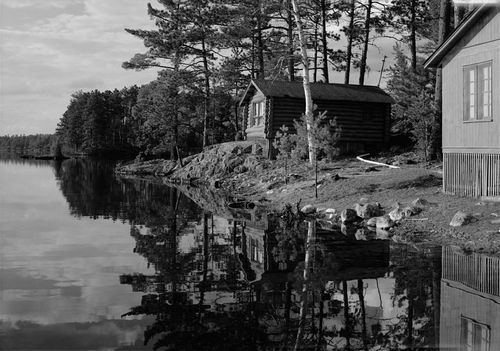
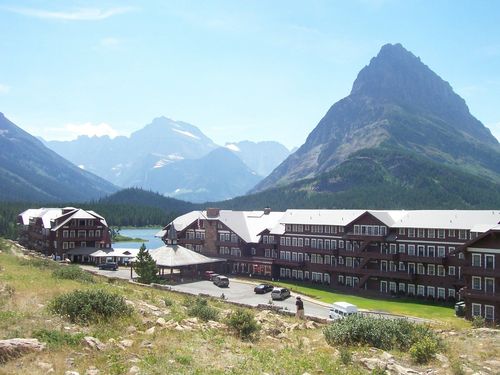
Rustic building began with the Great Camps of New York's Adirondacks in the 1870s and 1880s, where wealthy families built compounds of logs, bark and native stone. Railroads that wanted tourists in the new western national parks took up the idea: Robert Reamer's Old Faithful Inn (1904) set the model, and the National Park Service made the approach its official design philosophy in the 1920s, hence the nickname "parkitecture".
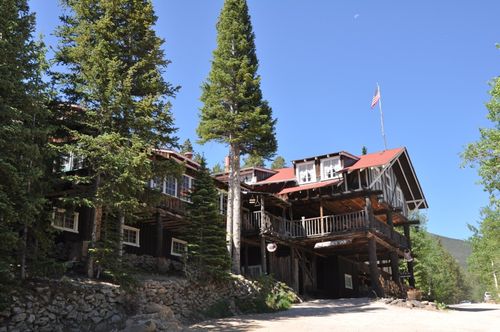
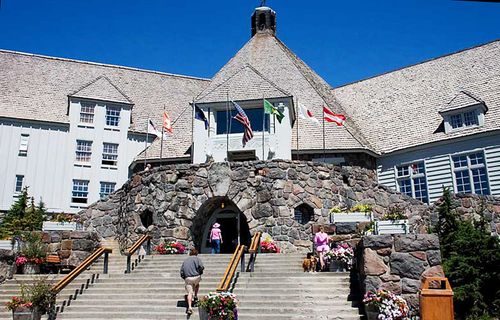
Rustic lodges use oversized logs and boulders, massive stone fireplaces, steep roofs that shed snow, and lobbies several storeys high. The Depression-era Civilian Conservation Corps and Works Progress Administration built many more in state and national parks.
Where you'll see it: National and state parks of the West and Midwest; the Adirondacks and northern woods.
How to recognize it
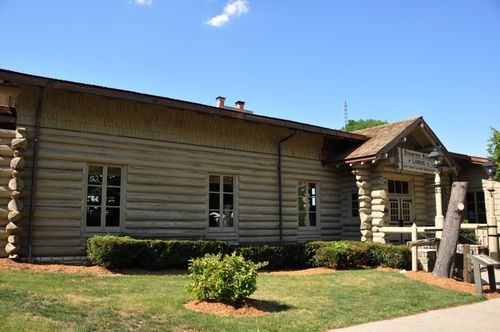
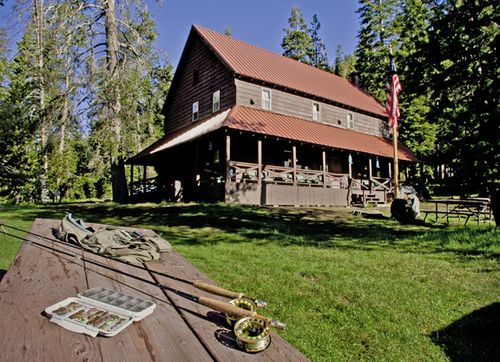
- Log or heavy-timber walls and frames
- Massive stone foundations, piers and chimneys
- Steep roofs, often with exposed log trusses
- Very large public rooms with stone fireplaces
- Natural, unpainted or dark-stained finishes
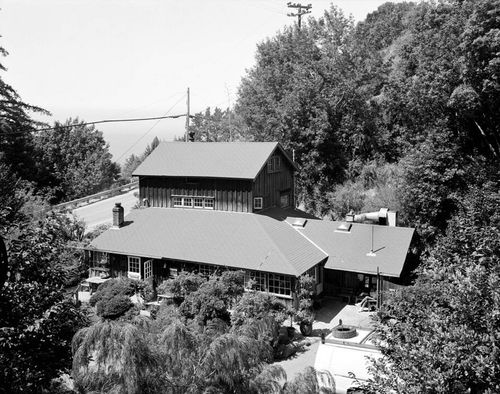
- Scale and materials chosen to blend into the landscape