Architectural style · c. 1880–1910
Queen Anne
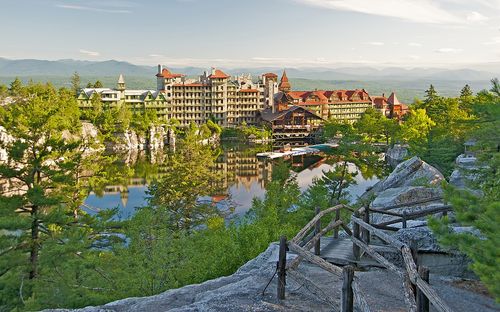
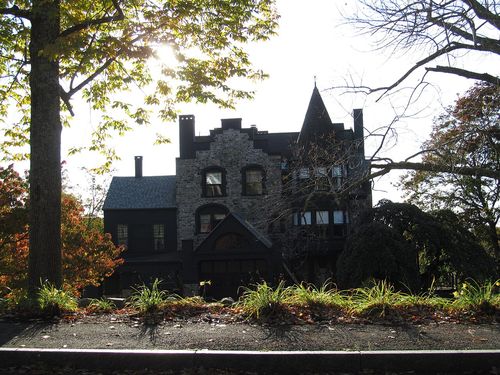
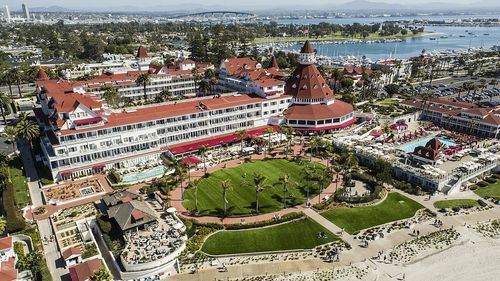
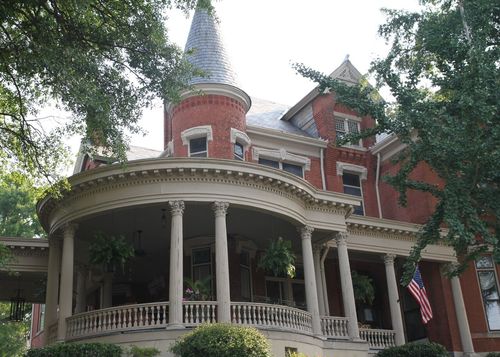
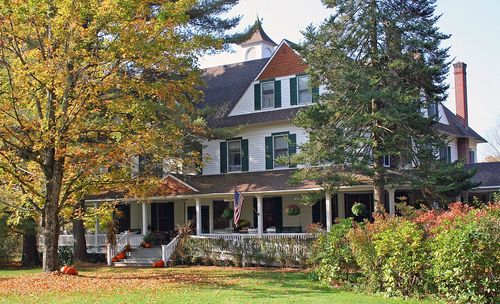
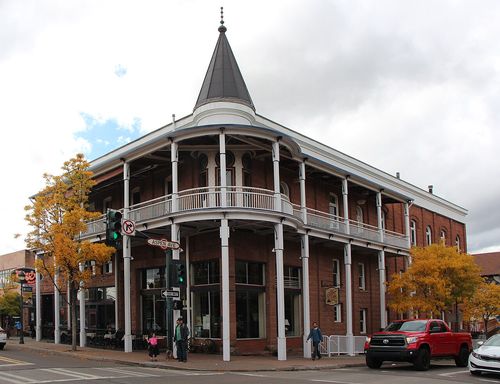
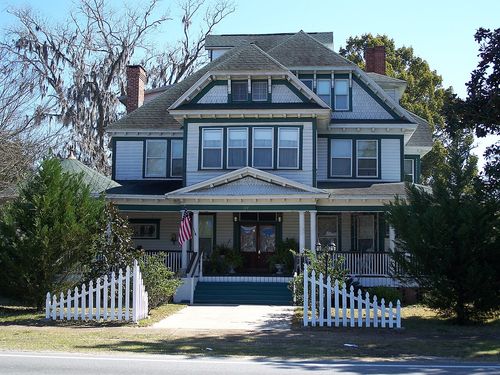
The most exuberant Victorian style: irregular shapes, a corner turret, wraparound porches and walls of mixed textures.
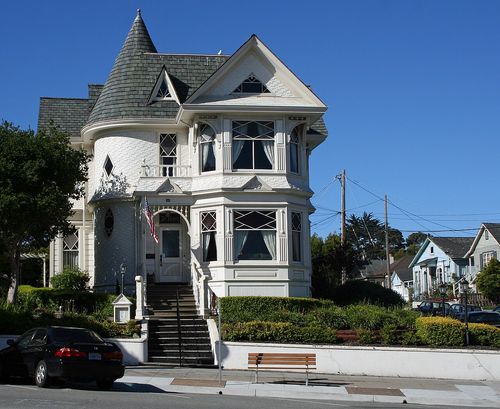
Despite the name, the American Queen Anne owes little to the reign of Queen Anne (1702–1714). It grew out of the work of the English architect Richard Norman Shaw and was spread by pattern books, mail-order plans and the new railroads, which carried factory-made trim to every town. Its rule is variety: steep roofs of irregular shape, a front-facing gable, a round or polygonal tower, bay windows and porches that wrap around the corners.
Walls change texture from floor to floor, with clapboard below and patterned shingles (fish-scale, diamond) in the gables. Spindlework porches, turned posts and colored glass are typical. Large Queen Anne houses are among the commonest buildings converted into bed-and-breakfasts, because their many rooms and porches suit guests well.
Where you'll see it: Every railroad town in the country; San Francisco, Galveston, Cape May and the Midwest have notable concentrations.
How to recognize it
- Asymmetrical front with a dominant front-facing gable
- Round or polygonal corner tower with a conical roof
- Wraparound porch with turned posts and spindlework
- Patterned shingles (fish-scale, diamond) and mixed wall textures
- Bay windows and projecting wings
- Tall decorative chimneys