Architectural style · c. 1895–1940
Neoclassical and Beaux-Arts
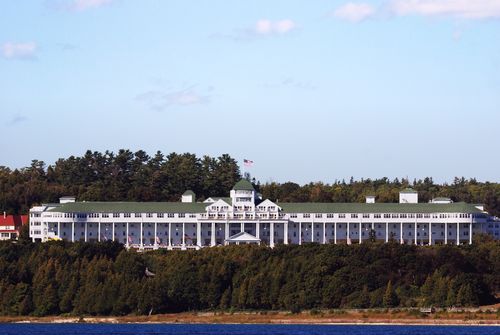
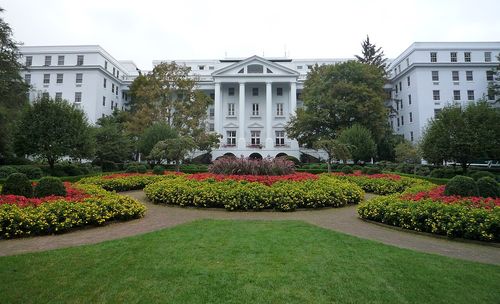
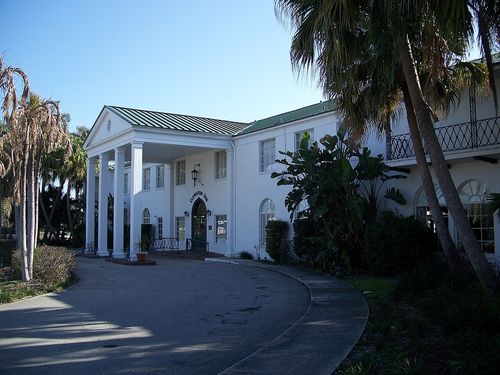
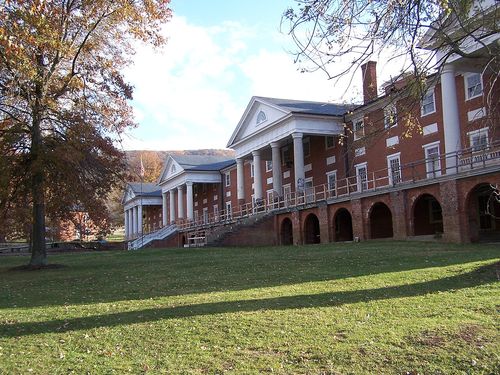
Monumental classical buildings with full-height porticoes and colossal columns; the style of grand resort hotels and spas.
The "White City" of the 1893 World's Columbian Exposition in Chicago, laid out by architects trained at the École des Beaux-Arts in Paris, revived formal classical design across the country. Neoclassical buildings use a full-height portico of tall columns (often Ionic or Corinthian), a flat or low roof behind a balustrade, and strict symmetry. Beaux-Arts work adds more sculpture, paired columns and rusticated ground floors.
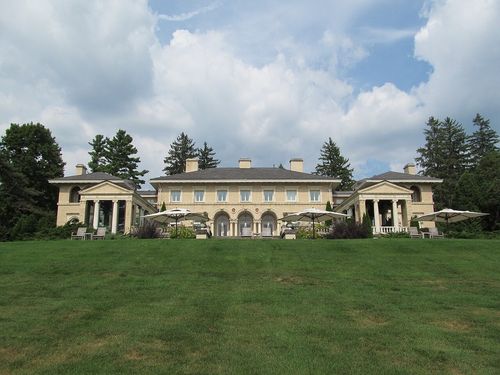
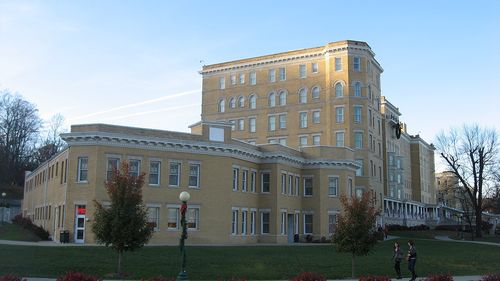
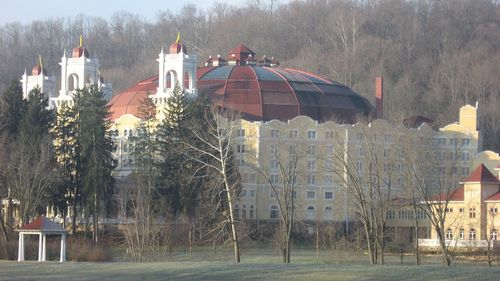
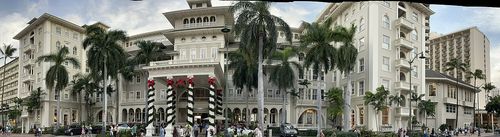
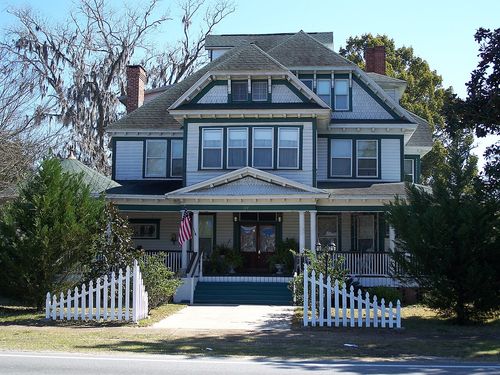
Spa and resort hotels of the early 20th century often took this form to signal permanence and luxury, as did the porticoed mansions of the period.
Where you'll see it: Cities, spa resorts and estates nationwide.
How to recognize it
- Full-height portico with colossal columns
- Pediment or balustraded flat roofline
- Strict symmetry
- Rusticated or raised ground floor (Beaux-Arts)
- Classical ornament: garlands, cartouches, modillions
- Large scale