Architectural style · c. 1840–1885
Italianate
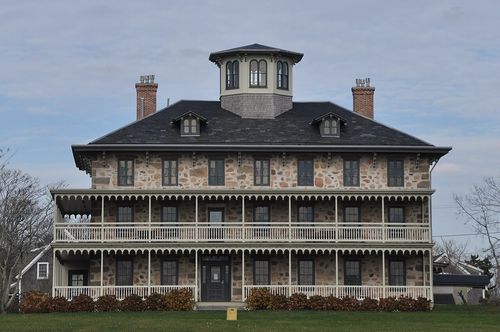
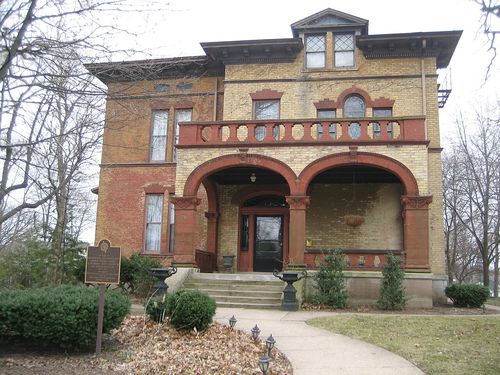
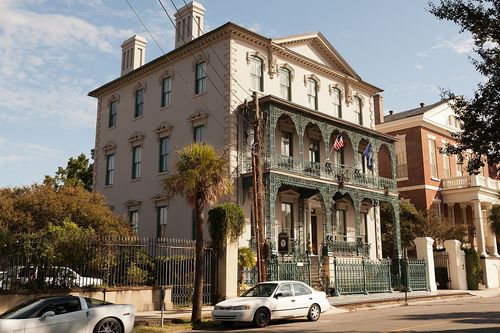
Tall and boxy, with a low roof that projects on decorative brackets, round-headed windows and often a cupola on top.
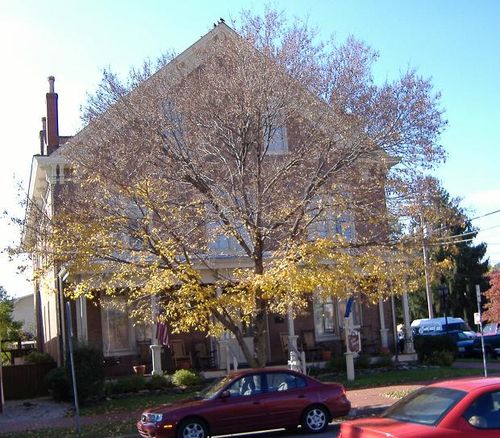
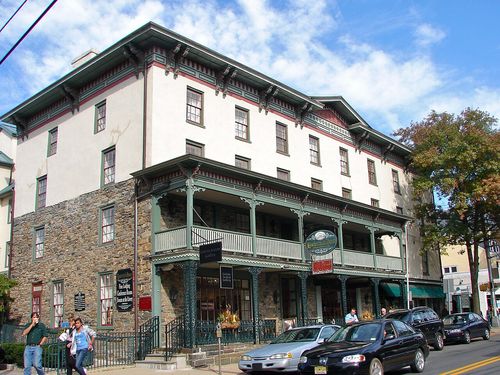
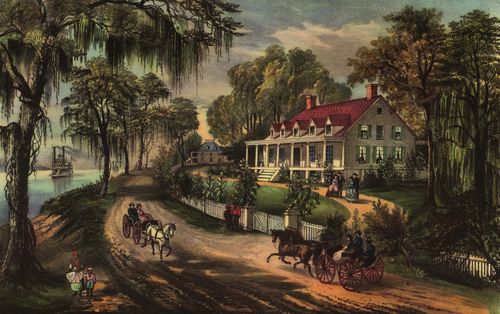
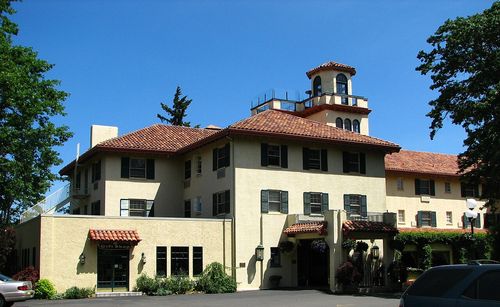
Inspired by the farmhouses and villas of northern Italy as seen through English picturesque eyes, Italianate building became the most popular American style of the 1860s and 1870s. It suited both a country villa and a city commercial block: a low-pitched or flat roof, deep overhanging eaves carried on brackets (often in pairs), tall narrow windows with arched or curved tops and heavy hoods, and frequently a square cupola or belvedere.
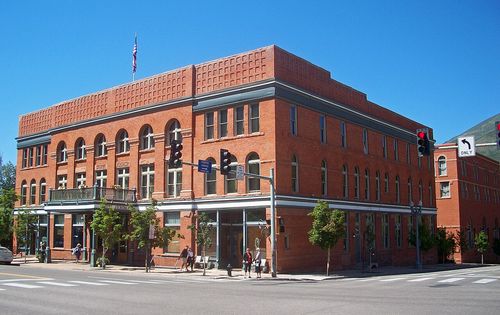
Many small-town hotels of the railroad era are Italianate, as are the commercial blocks with cast-iron storefronts around them. On houses, look for a one-storey entry porch with square posts and a pair of tall front doors.
Where you'll see it: Nationwide; the dominant style of the Midwest and of railroad-era main streets and hotels.
How to recognize it
- Low-pitched roof with wide eaves on decorative brackets, often paired
- Tall, narrow windows, often round-headed or segmental
- Elaborate window hoods or crowns
- Square cupola or belvedere on the roof
- Double front doors under a small porch
- Bay windows