Architectural style · c. 1900–1930
Craftsman and Arts and Crafts
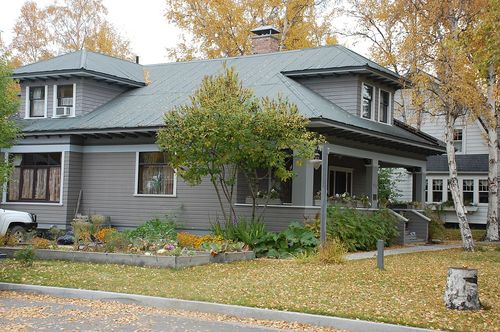
Low-pitched gables, wide eaves with exposed rafter tails, triangular braces and big porches on tapered columns.
The Arts and Crafts movement prized honest materials and handwork; in America it was spread by Gustav Stickley's magazine The Craftsman and by the California architects Charles and Henry Greene. The Craftsman house is low and broad, with a gently pitched roof, deep eaves showing the ends of the rafters, triangular knee braces under the gables, and a deep front porch on square, tapered columns set on brick or stone piers.
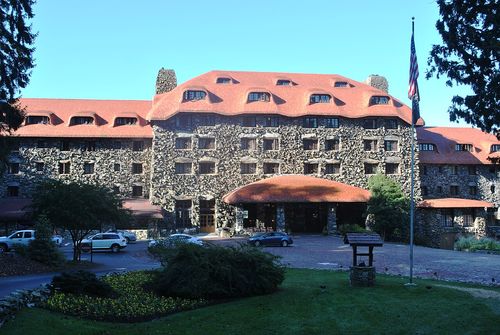
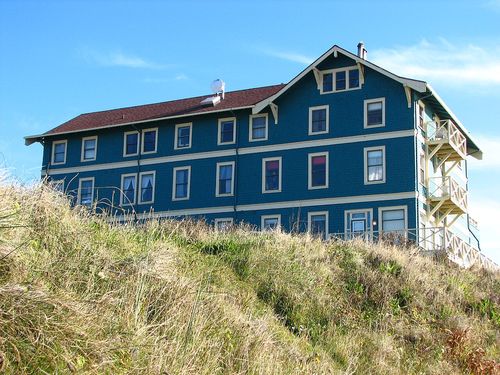
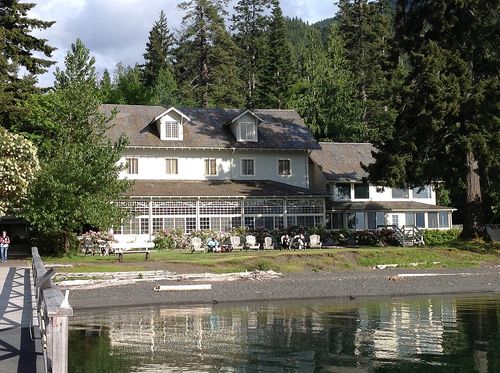
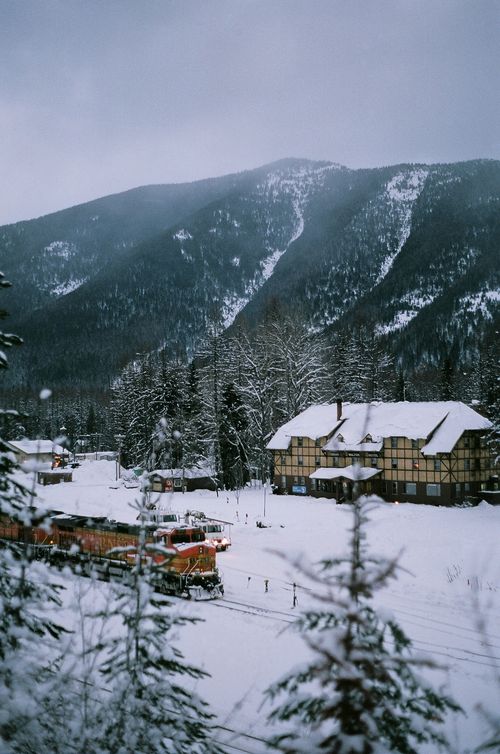
Materials mix freely: shingle, clapboard, cobblestone, clinker brick. The bungalow, its smaller cousin, was the most popular small house of the 1910s and 1920s. Larger Craftsman houses and lodges of the period are now inns, especially in California and the Pacific Northwest.
Where you'll see it: Nationwide; densest in California, the Pacific Northwest and the Midwest.
How to recognize it
- Low-pitched gable roof with wide eaves
- Exposed rafter tails and triangular knee braces
- Deep porch on tapered square columns over piers
- Mixed natural materials: shingle, stone, brick
- Windows in groups, often with multi-pane upper sashes
- Prominent chimney of brick or stone